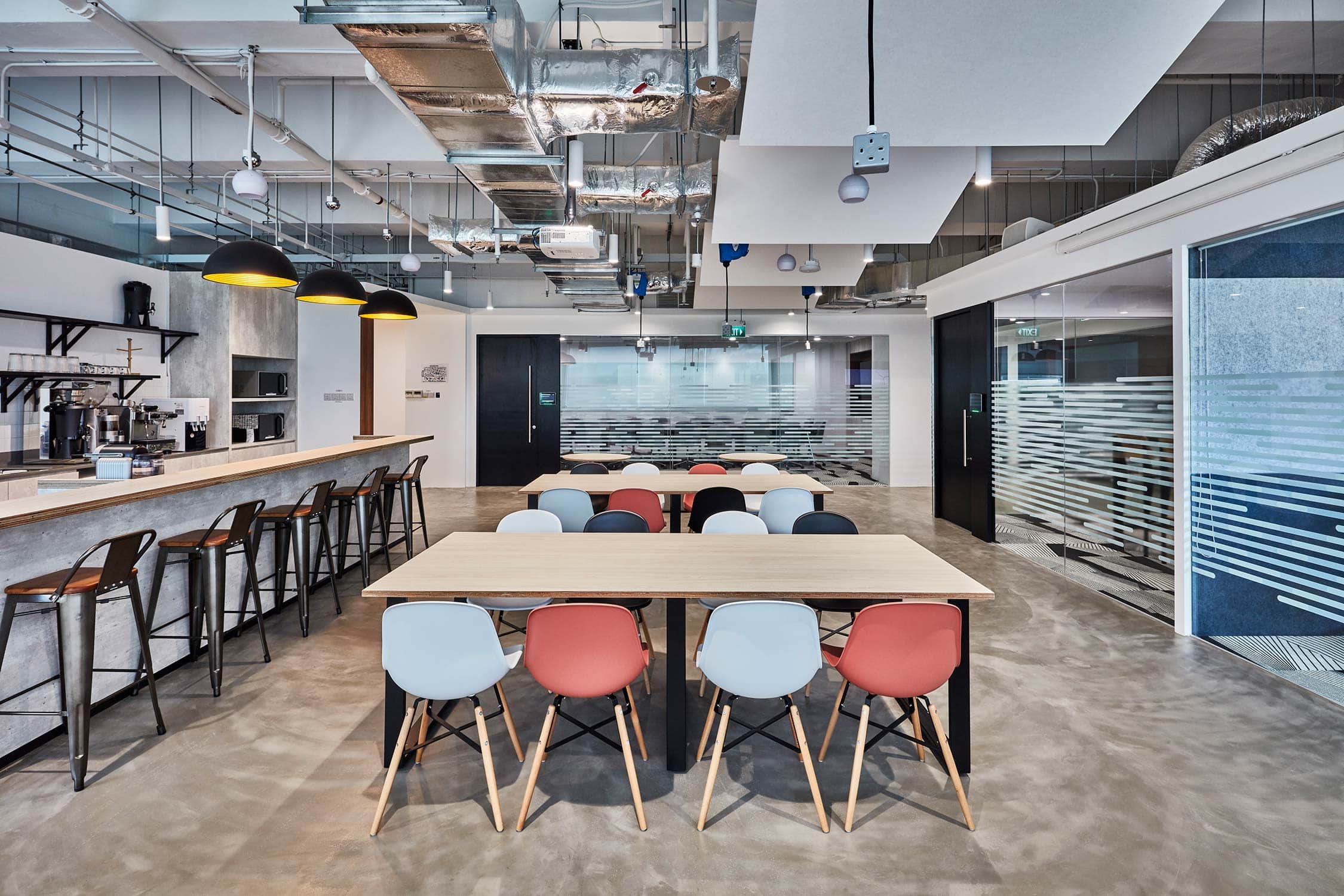
A functional office design is an undeniable asset for every business. It can stir up inspiration or strip it away in just a few sessions. With workplaces constantly evolving, it’s crucial that your space effectively supports your team rather than impeding their creativity and productivity.
In this article, we’ll explore the role of office design and how space can influence the way your employees show up.
The Role of Office Design in Modern Offices
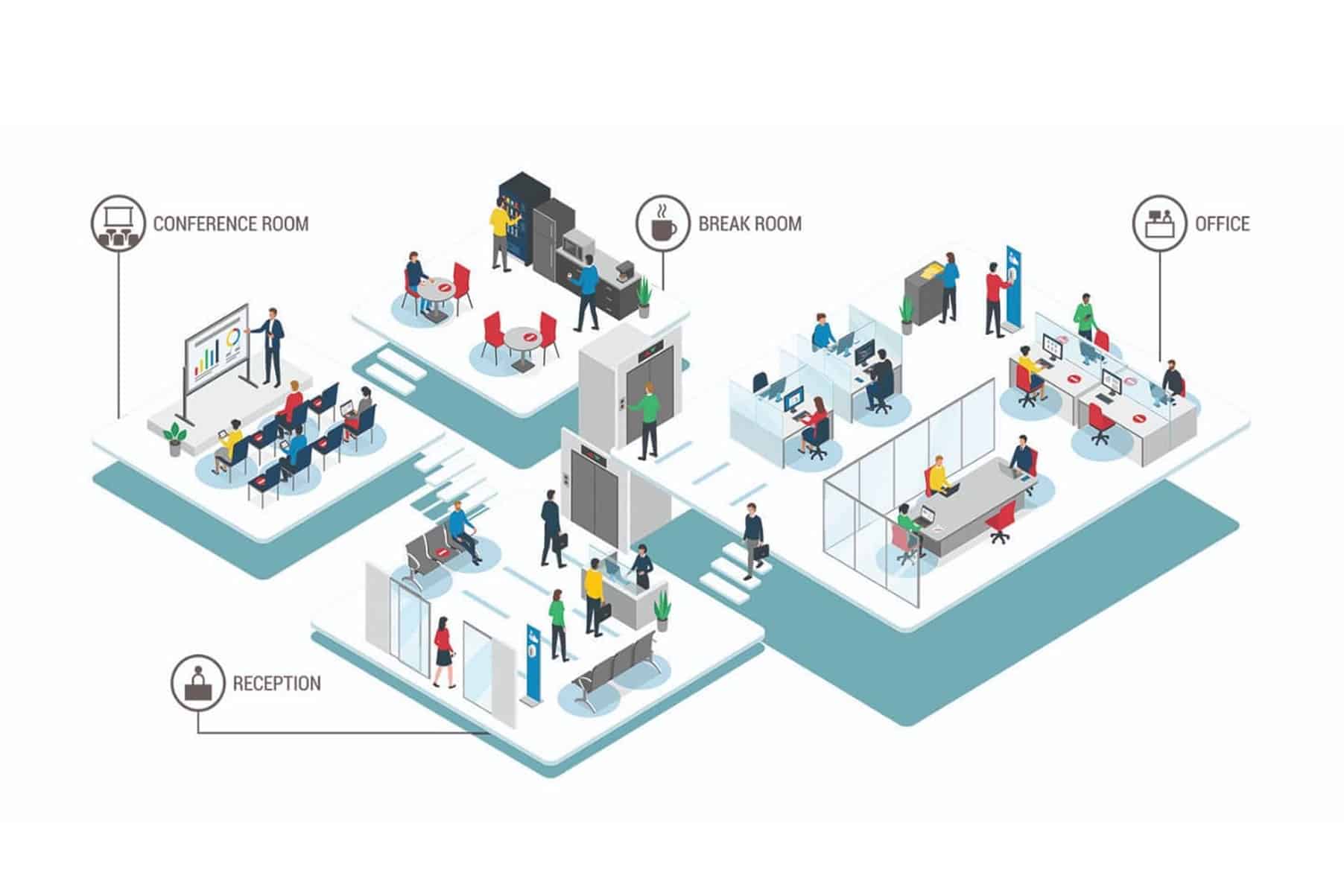
A well-designed office doesn’t just house its employees. It considers how they interact with one another, and then translates these movements into a seamless workflow. Furthermore, the space itself fuels collaboration. It allows for spontaneous conversations that lead to breakthroughs, whether in the break room, a lounge space, or even a corridor.
Office design is directly linked to how employees feel and perform on a daily basis. This manifests in various ways, including ergonomic seating, natural lighting , and seamless technology integration for operational efficiency. When these elements align, the workplace transforms into a high-performing environment.
Additionally, flexible workspaces are essential for the modern landscape. Employees are no longer tethered to a single desk. Instead, they are empowered to choose the environment that best suits their current tasks.
Ultimately, your office should revolve entirely around your team and adapt to their needs. When an environment prioritises the comfort and agency of its people, it inspires the high-level innovation that keeps your business competitive.
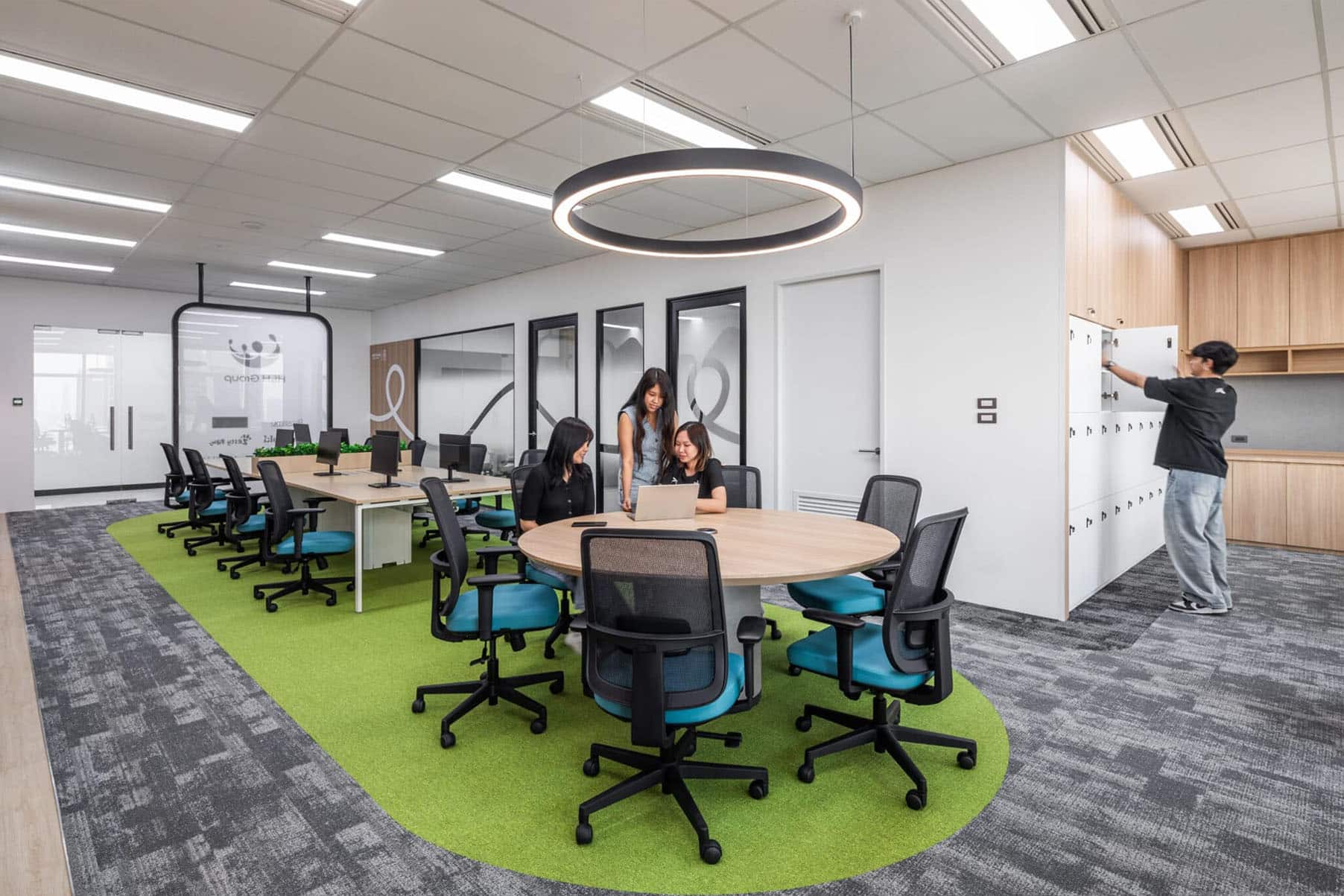
Culture, Behaviour, and Spatial Design: A Connected System
Beyond structural walls and vibrant paint, your office is a living ecosystem designed for performance. It’s an opportunity to anchor your brand values in the physical world. When your team is surrounded by a space that reflects who you are, their daily actions naturally align with your business goals.
This synergy is driven by strategic design on both a creative and technical scale. For instance, optimised acoustics can sharpen focus during a brainstorm session, a brand-led environment inspires your employees to execute their ideas, and the integration of ergonomic furniture ensures physical fatigue never stands in the way of a stellar idea.
As office interior designers, we see the big picture. Our consultants at Sennex understand how these choices dictate your business performance. We believe that every space needs to create tangible value, ensuring the infrastructure advances alongside your business growth.
Strategic Space Planning for Hybrid and Future-Ready Office
It is no longer enough to strategise for the modern landscape. To truly bring out the best in your team, your company needs to prepare for the future.
If your office design is stunning but rigid, you may be unintentionally hindering your team’s performance. Fortunately, strategic space planning allows you to build adaptability into your floor plan. By utilising modular furniture and multipurpose zones, you can easily evolve your space without the cost of a complete overhaul.
Apart from physical flexibility, a future-ready office is well-versed in modern technology. Smart meeting rooms, AI automation, and integrated connectivity ensure your employees can work seamlessly – whether they are within the office or across the ocean.
All of this begins with a deep understanding of your team. Only then can you see past the floor plan and into the human potential in the room.
Why Businesses Benefit From an Integrated Design & Build Partner
An office design & build partner is the architect of purposeful design. By carefully assessing your team’s unique working style, they ensure every square foot is engineered to support them. You are guaranteed office design solutions backed by a level of science, research, and technical experience that simply can’t be found elsewhere.
Why Choose Sennex
Our team at Sennex has over two decades of experience designing spaces that prioritise the human experience. We’ve delivered hundreds of workplace projects across Asia that support the ambitions of leading businesses. Beyond design, we uphold the highest industry standing for safety and accountability, including BizSAFE STAR and ISO 45001:2018 certifications in Singapore. This standard is integrated into every phase of our project delivery to mitigate risks and ensure seamless execution.
Whether you’re looking for fit out & maintenance services or a comprehensive office renovation, we are committed to understanding your vision first. From there, we incorporate design elements that transform your space into a high-performing environment.
Your team already has potential; strategic design is what activates it.
Ready to see the impact of intentional office design? Reach out to us today.