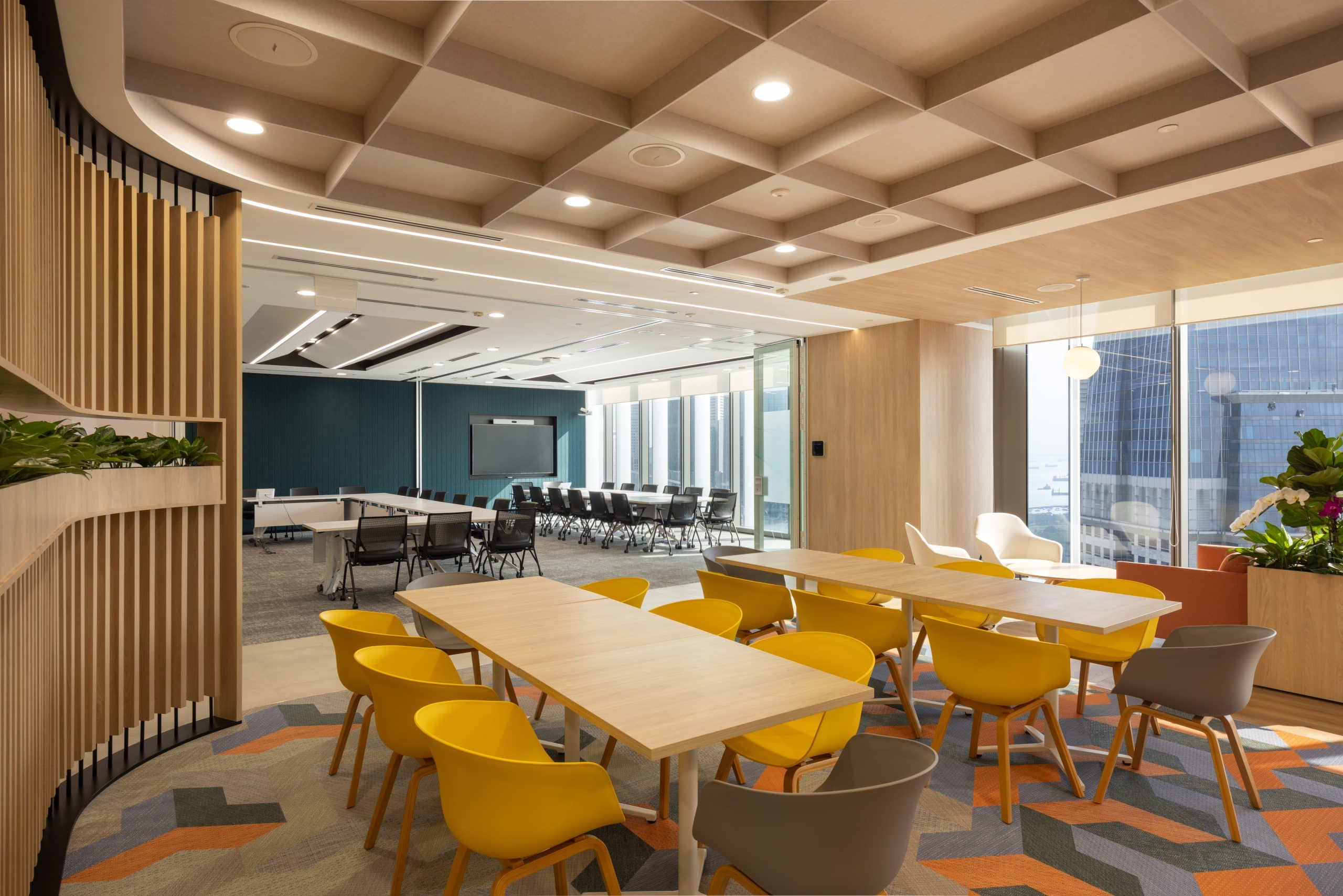
How do you transform a traditional lab into a dynamic space that sparks innovation?
For decades, lab design prioritised individual focus over collaboration. Researchers would spend hours in enclosed, isolating spaces – a layout once considered the peak of functional design. However, as the pace of scientific discovery accelerated, this very isolation became a limiting factor. It became clear that these traditional layouts, once exemplary across the industry, were no longer environments that fueled innovation.
Modern lab interiors are quite the opposite today. Researchers are now experiencing the profound impact of flexible spaces, cutting-edge technologies, and human-centred design. These designs not only facilitate the fascinating flow of ideas but also prioritise safety and ergonomic features, ensuring a comfortable workplace.

Flexible and Adaptable Spaces Foster Collaboration
Researchers within the same lab will naturally have diverse working styles. A focus on flexible spaces and modular design gives them a crucial sense of autonomy over how they engage with their work.
Contemporary labs are embracing this by using movable lab benches, suspended utilities from the ceiling, and easily reconfigured equipment. This approach ensures that lab designs are not only effective today but can also readily adapt to the business needs of the future.
Ultimately, a lab interior becomes a catalyst for scientific breakthroughs when it is future-forward and designed to support its people.

Designing for Visibility and the Exchange of Ideas
Groundbreaking discoveries often arise from unplanned and stimulating encounters. To foster these crucial interactions, modern lab interior designs are shifting their focus to visibility and creating opportunities for connection within the space.
By incorporating elements such as open layouts, glass walls, and centrally located breakout rooms, a lab offers a natural invitation for spontaneous conversations and the sharing of perspectives. This deliberate utilisation of space helps break the monotony of repetitive lab work and transforms the environment into a space for collaborative problem-solving. Furthermore, by learning from one another, scientists can deepen their expertise and are driven to excel in their work.
At its core, scientific labs have evolved; they aren’t just a passive backdrop for research, but an active ecosystem that can either hinder or encourage engagement. That’s why it’s essential to create an ambience that supports this forward-thinking culture.

Integrating Technology Seamlessly to Enhance Exploration
The impact of cutting-edge technology is remarkable, enhancing efficiency, safety, and innovation. A thoughtfully designed lab interior does more than just encompass these tools; it integrates them to speed up routine tasks, creating more time and space for innovative work.
This technological integration empowers researchers by providing them with the tools to work more efficiently. Integrated digital systems, seamless connectivity, and responsive modular designs allow them to explore new ideas and pursue their curiosities.

Creating Comfortable and Inspiring Environments for Focus and Creativity
Researchers often spend long hours at static workstations, a demanding routine that can take a physical and mental toll on them. Over time, this can lead to significant fatigue and a decline in motivation.
One of the most effective ways to tackle these challenges is by focusing on the physical environment through ergonomics. Providing comfortable, adjustable furniture and thoughtfully placed equipment reduces physical strain and the risk of injury. By minimising discomfort, researchers can maintain better focus and sustain their productivity throughout the day.
Another key aspect of innovation is creating an aesthetically pleasing and human-centric lab interior. This includes simple but powerful strategies, such as allowing natural light to permeate the lab, incorporating plants, and designing for the effortless movement of collaborating researchers.

Modular and Reconfigurable Layouts to Support Evolving Research
Why are modular and reconfigurable layouts an essential driving force for innovative research?
In a traditional lab, change is slow and expensive. Imagine a research project having to reorganise its structure due to a discovery or technological advancements. This would typically require renovations, downtime, and could become costly, disrupting the project altogether.
This is why modern lab interior designs are prioritising modular layouts. They empower researchers to adapt and alter workflows in a matter of hours. This flexibility is crucial in ensuring that workplaces are equipped to meet the evolving demands of modern research.
Revolutionise your lab by choosing Sennex as your partner for commercial interior design and interior fit-out today. Our philosophy is to design with purpose, blending innovative concepts with a deep understanding of Singapore’s regulations and compliance standards.
A functional lab isn’t just about design; it’s about empowering the people within it, keeping them safe, making them productive, and giving them the space to innovate. With the right expertise, you can create an environment that fosters effortless collaboration within your team.